
Why upgrade to full fibre (FTTP)?
Business runs on upload, reliability and headroom, not just download speed. Full fibre to the premises (FTTP) future-proofs your site, your lease and your building.
Copper was built for yesterday’s internet
Many business sites still connect via copper-based NBN technologies such as Fibre to the Node (FTTN) or Fibre to the Curb (FTTC). They were fine when email and web browsing dominated. Today, cloud backup, video meetings, VoIP and dozens of connected devices need upload bandwidth, low latency and stable connections.
Full fibre (FTTP) runs glass all the way to your premises. That means higher speed tiers, better upload, fewer weather-related dropouts and a connection that can grow with your business for years to come.
“Commercial tenants are increasingly making high-speed fibre a non-negotiable requirement in their leases.”

Single business premises
A tenant or owner may be able to pursue an FTTP upgrade through their retail provider or a specialist such as National Phone & Data.
Strata & multi-tenant complexes
Upgrading shared building infrastructure is a collective decision. The Owners Corporation, Body Corporate or building owner must approach nbn on behalf of the complex; many owners simply do not know this is possible.
Why tenants should push for full fibre
If you are signing a long lease, the building’s NBN technology affects your operations every day.

Your lease may span five or ten years, but the building’s NBN technology was chosen long before cloud became the default. Tenants on copper-based NBN often hit upload limits, dropouts in wet weather, and congestion as devices multiply.
Full fibre changes that equation: higher upload tiers, stable VoIP and video, and headroom as your team and tools grow.
Symmetry & the cloud
Upload matters as much as download. FTTC often caps upstream bandwidth, slowing OneDrive, Dropbox and Google Drive backups, HD Teams and Zoom calls, and large file transfers. Fibre unlocks higher upload tiers for real business workflows.
Operational continuity
Copper is prone to water ingress in pits and electromagnetic interference: both cause dropouts. Fibre is immune to those issues and has fewer active components between the exchange and your desk, so fewer points of failure.
Scale & future-proofing
Laptops, phones, printers, cameras and IoT devices add up fast. Copper connections choke under high device density. Fibre handles growth, including AI and automation tools that demand more bandwidth every year.
What tenants can do
If your complex is still on FTTC, FTTN or similar, ask your landlord, property manager or agent whether the Owners Corporation has registered interest with nbn for a full-fibre upgrade. If you are on a long lease, raising this early protects your business for the term of your tenancy.
FTTC / FTTN (copper-based) vs FTTP (full fibre)
Typical differences for a business on FTTC, FTTN or similar copper-based NBN versus after a full-fibre upgrade.
| Feature | FTTC / FTTN (copper-based, typical) | FTTP (full fibre upgrade) | Business impact |
|---|---|---|---|
| Max potential speed | ~100 Mbps download (plan dependent) | Up to 2 Gbps wholesale tiers available* | Massive time savings on large data tasks |
| Latency (ping) | Higher / variable | Lower / more stable | Snappier response for cloud apps and CRM |
| Reliability | Weather and copper pit issues | Fibre more weather-resistant | Less downtime and lost revenue |
| Upload speed | Capped / relatively slow | High-speed upload tiers available | Better video calls, backups and file sharing |
| VoIP & UC | More jitter on busy links | Stable bandwidth for voice and video | Clearer IP phone and meeting quality |
* Wholesale speed tiers and actual speeds depend on your plan, provider and equipment.
Why the Owners Corporation should act
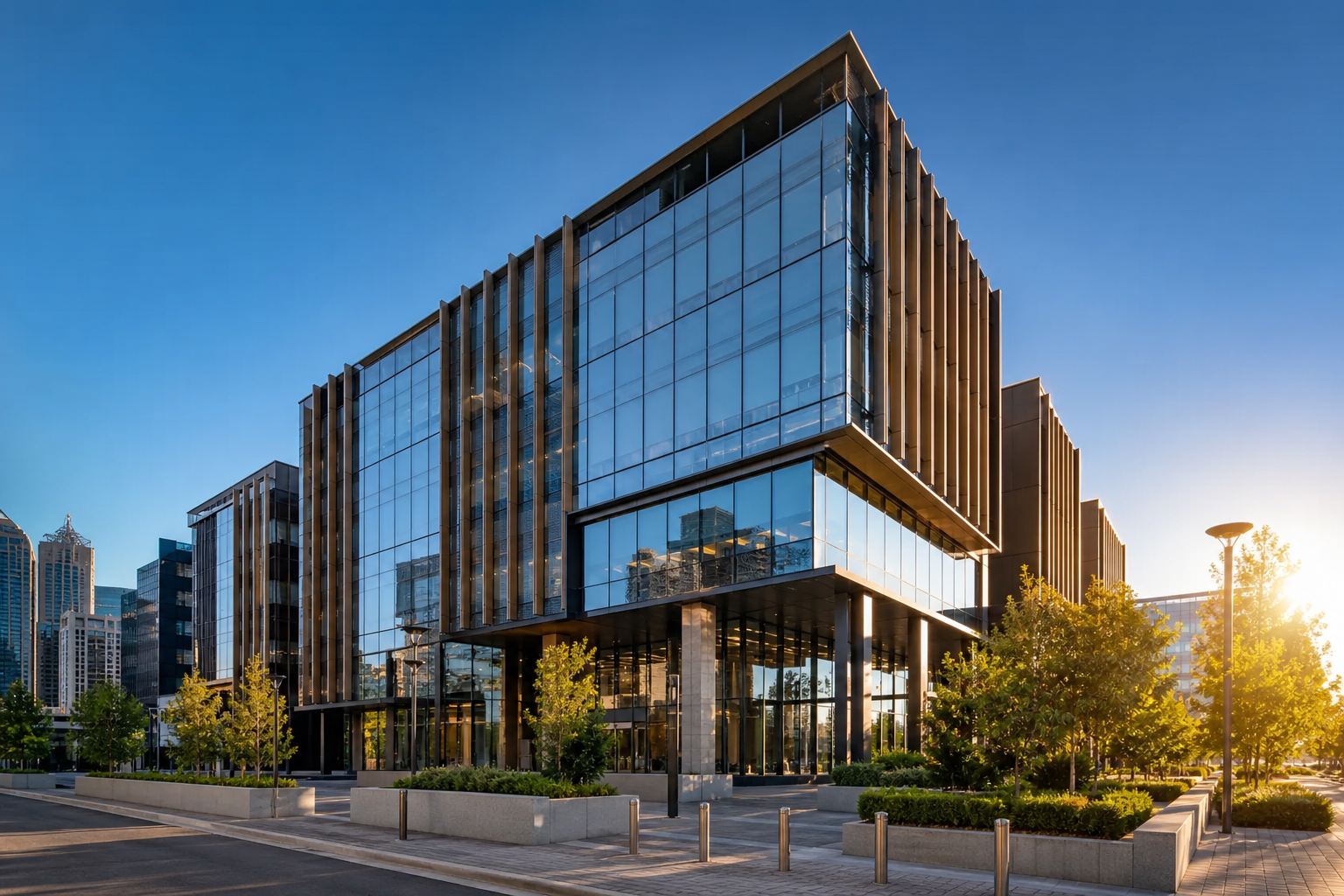
For potential buyers and renters, a premises with an nbn full-fibre connection is a more attractive prospect. nbn reports that up to 75% of renters find FTTP more appealing†, and commercial tenants are increasingly treating high-speed fibre as a lease requirement.
nbn data consumption per household has grown nearly tenfold over the past decade and is expected to keep rising. Upgrading building infrastructure is a future-fit investment, not a cosmetic upgrade.
- Stronger appeal to quality tenants and buyers
- Reduced risk of the complex lagging behind competing properties
- Potential tax deductibility: speak to your accountant or advisor
- Access to nbn’s highest residential speed tier (Home Hyperfast) and higher business tiers after upgrade*
By not upgrading while comparable buildings do, owners risk the complex being seen as second-tier space that attracts lower-quality tenants or lower rent.
More Fibre for Buildings - how it works
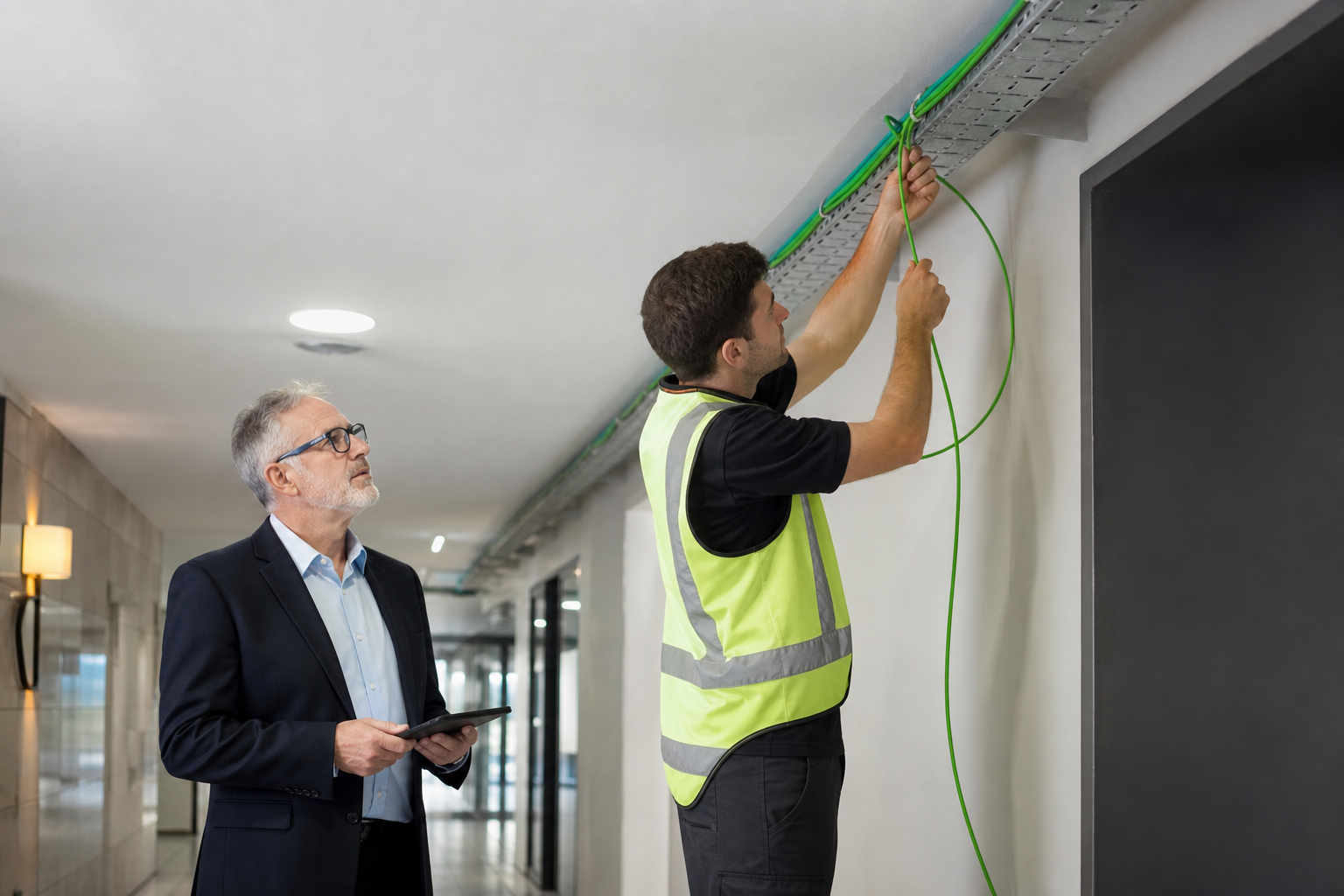
nbn’s More Fibre for Buildings program lets eligible strata and multi-dwelling complexes upgrade shared infrastructure from FTTN or FTTC to FTTP. Commercial office buildings and mixed-use complexes can qualify.
Upgrading a whole building is a shared decision: fibre runs through common property before it reaches each lot. The program gives eligible complexes a structured path from collective registration to construction.
Many owners do not realise this option exists until tenants or their strata manager raise it.
-
Confirm eligibility Building must have FTTN or FTTC, shared communications infrastructure, and an authorised representative (Body Corporate, Owners Committee or building owner).
-
Build owner support Tenants and lot owners raise interest. The Owners Corporation typically votes at a general meeting (requirements vary by state; check with your strata manager).
-
Register with nbn An authorised representative registers the building at nbnco.com.au/residential/upgrades/more-fibre-for-buildings.
-
Assessment & agreement nbn assesses the site, provides a build quote and agreement for the representative body to sign. Joint payment for all premises is required (nbn cites from $275 inc GST per premises for standard installs‡).
-
Construction Fibre is installed through common property and into individual premises. nbn advises approximately 3–4 months from confirmed plan for many builds.
-
Connect your plan Once the building is ready, occupants order their preferred nbn plan through a phone and internet provider such as National Phone & Data.
nbn step-by-step guide Common questions
† Source: nbn - marketing research on renter preferences for FTTP.
‡ Standard installation fee per nbn at time of publication; complex, heritage or commercial sites may cost more after site survey. Fee payable collectively by the owners’ representative body.
* Speed tiers are wholesale; retail plans and speeds vary by provider. This page is general information only, not tax or legal advice.
When a standard upgrade isn’t enough
The More Fibre for Buildings program suits many complexes, but some sites stall, fail feasibility, or need construction beyond the standard path. That is where National Phone & Data specialises.
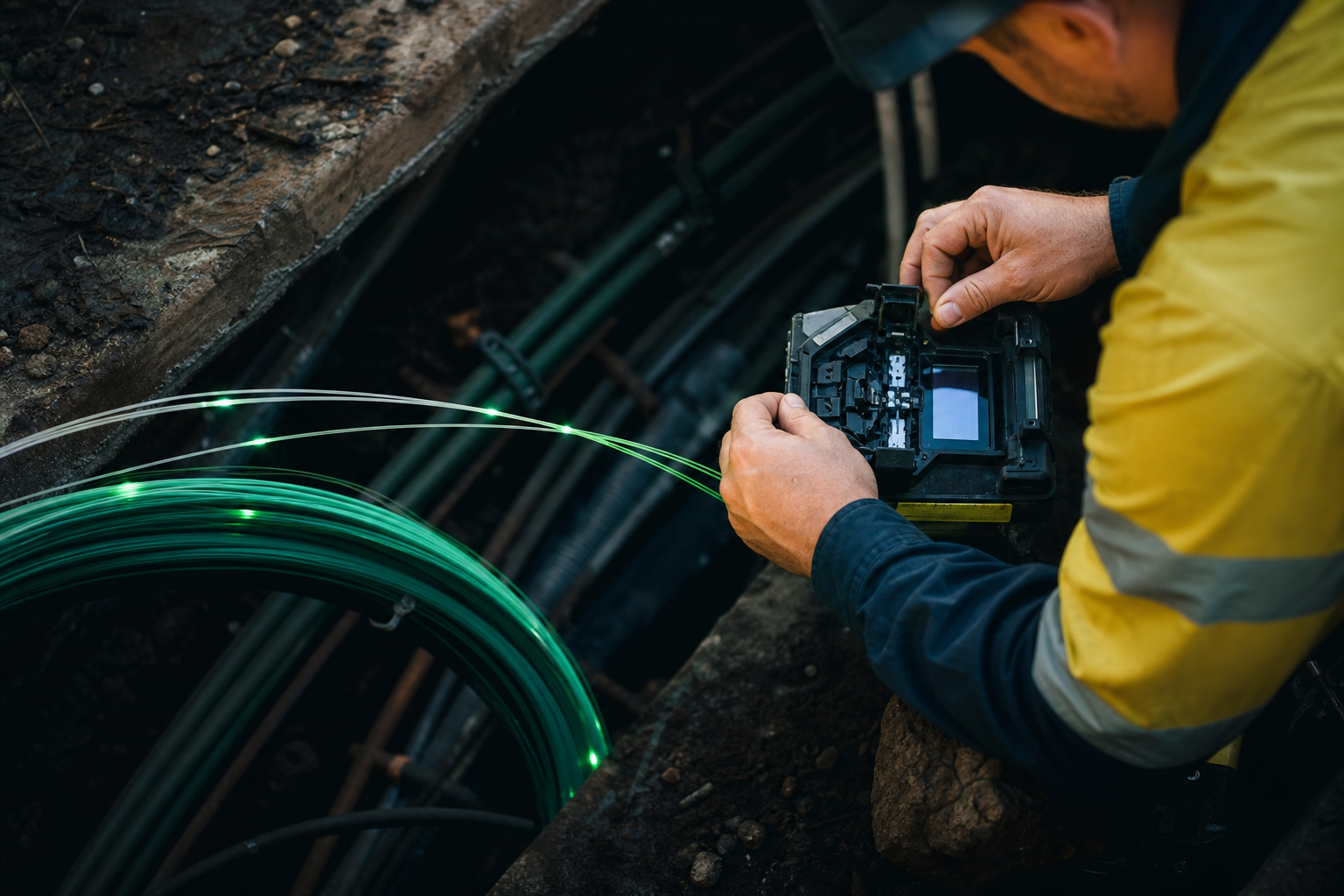
We handle complex NBN FTTP upgrades end to end: assessment, coordination with nbn, fibre in the ground, and connecting your business on the other side. Tenants can introduce us to their agent or Owners Corporation; we help owners and strata understand viability and options.
Still on copper or FTTC and told it can’t be done? Talk to us before you give up; we regularly deliver outcomes that do not come through the usual retail channels.
Ready to explore full fibre for your site or building?
Whether you are a tenant, owner or strata representative, National Phone & Data can help you understand eligibility and next steps.
Contact National Phone & Data